Erasing the Cracks
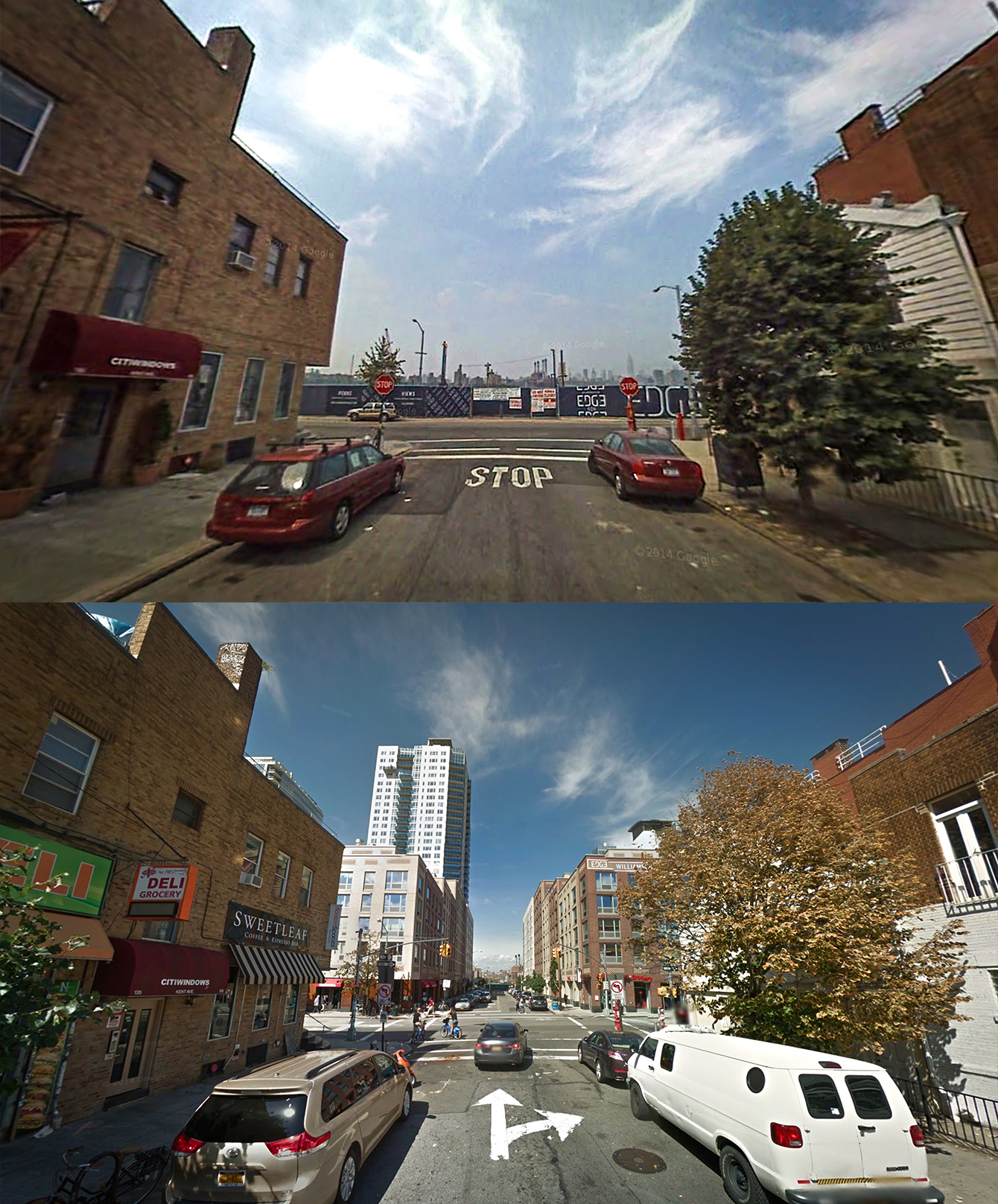
Gentrification usually gets a bad
reputation, and for obvious reasons. No one wants to see their home become grotesque,
families forced to move out, or rents raised; but not every correction has to
be punishing, just like revising a draft, some changes actually help make the
story clearer and more spectacular, some changes actually give the community a
new life instead of destroying it.
The new communities that gentrification
brings aren’t bland, or cultureless. It brings safer streets, better schools, new
and improved parks, more businesses, and a lot more job opportunities to communities
that didn’t even have access to those before. It literally turns the old crack
in the sidewalk into a whole new coffee shop, an area beaming with life where
there once was none. A place that offers a job for those who couldn’t find one
previously. Tell me, which would you rather have? Some studies actually show
that long-term, less-educated residents who stay in their homes instead of moving,
which is most poorer people when gentrification does happen, don’t necessarily
see rent increases and can even benefit from the improved benefits
gentrification brings and the increased property value of their home. That’s a
whole lot better than the non-gentrifying neighborhoods that lose population
and experience declining incomes over periods of time.

For so many years Detroit was seen
as empty, flawed, and lifeless. But now, with one change at a time, I begin to
see some clear improvement. The process continues today, when I see new shops
being opened, old buildings being restored, the city filled with energy again,
and now even I’m visiting very frequently. So, just like revising an essay, not
every part gets removed, and not all the marks turn out to be mistakes. It’s
about improving what has already been there in the past and about making it so
that everyone can live a better and more opportunistic life. I can’t see why gentrification
is depicted as destruction, when it’s rebuilding with a purpose.


I like how you connected gentrification to something local (detroit). I still do think that while improving neighbourhoods is good, a priority during the renovations should be hiring local workers so they aren't displaced or unemployed.
ReplyDeleteI think you made a very good argument as to why gentrification is good. However, I think the rebirth of the city comes at a very strong cost that you may not see. Those people who stay, while their rent may not be raised, the price of their food, water, electricity is all raised. Also, gentrification does not mean that those people will get jobs. Therefore, the real problem is just covered up.
ReplyDeleteI really like how you offered a different perspective on gentrification rather than focusing on the effects of it that we have been talking about in class. You made a really great connection to our real lives by using Detroit at your example in this piece!
ReplyDeleteI really liked how you opened a new perspective on gentrification despite the fact that it is seen as a negative. It really is an interesting take on gentrification. However, it may not always be good.
ReplyDelete